
Learning
The Psychology Behind Last-Minute Studying
Almost every student has crammed for an exam at the very last minute. Understanding the dopamine rush, emotional avoidance, the Zeigarnik effect, and how to break the panic cycle.
Jahnavi2 min read
Read on Substack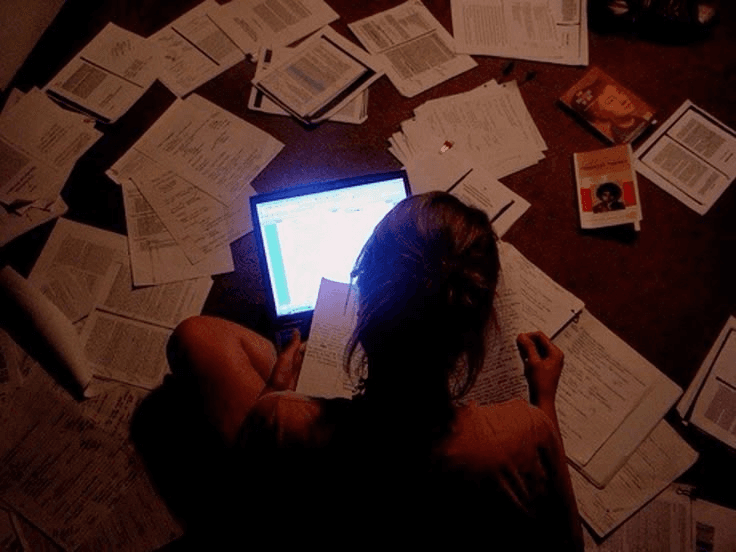
Among students, almost everyone has, at least once, studied for an important exam at the very last minute. We've all said, 'Never again,' but somehow find our way back in the same position, cramming everything last minute. The worst part is that it often works just enough to convince us to do it again.
The Dopamine Spike of Panic
Last-minute studying often feels so effective because it puts your brain into a high-stress, high-reward state. As the deadline gets closer, your body releases stress hormones like adrenaline, while your brain's reward system becomes far more responsive. The urgency makes every page you finish feel like a small victory.
While it might feel productive, last-minute studying does not help you truly learn. It only helps you pass tomorrow's test. The day after that, you will have forgotten most of it.
Avoidance and the Zeigarnik Effect
Students often procrastinate because of emotional avoidance, task overwhelm, and the brain's preference for immediate rewards over long-term goals. It isn't laziness; it's being overwhelmed by the scale of material to master.
- The Zeigarnik Effect: Our brains dislike unfinished tasks. Even when trying to relax, the mind reminds you of pending work, creating quiet but persistent guilt and anxiety.
- Loss of Control: As deadlines approach, shrinking time increases anxiety, making the task feel even more intimidating.
- Fear of Failure: The longer you avoid a task, the larger it looms in your mind, turning study sessions into emotional emergencies.
How to Avoid Last-Minute Studying
- Lower the barrier to entry: Use the 5-minute rule and break tasks into micro-goals (e.g. read pages 14–16 rather than 'Study Chapter 5').
- Design your environment: Keep books open, notes ready, and block digital distractions in advance.
- Create artificial deadlines: If your exam is on Friday, set your completion target for Tuesday.
- Rely on external accountability: Share commitments with study partners to maintain momentum.
Last-minute studying is rarely a problem of intelligence. Every time you choose to start a little earlier, you break the cycle that panic is your only source of productivity.
Related articles
Learning
The Forgetting Curve and How You Can Beat It
Every time you study, information fades. Hermann Ebbinghaus's forgetting curve model, active vs passive recall, and a 4-stage spaced revision schedule that works.
Learning
Why Curiosity Is Education’s Most Important Tool
The neuroscience of curiosity: how dopamine and hippocampal activation accelerate learning, why questioning beats memorizing, and how to practice curiosity for lifelong growth.