
Student Strategy
The Problem With Calling Yourself "Average"
How labels become identities. The neuroplasticity of self-talk, confirmation bias in testing, and why past performance is never a final verdict on your intelligence.
Jahnavi1 min read
Read on Substack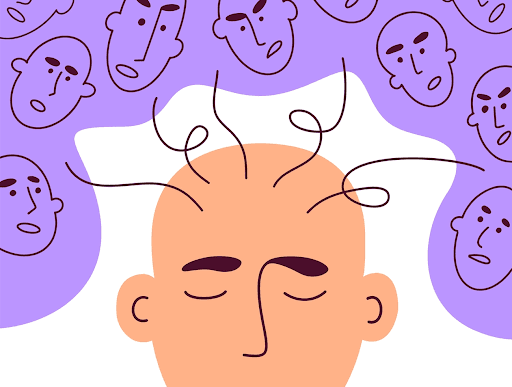
Many students believe they are simply 'average.' Even those who don't often have moments where they feel they aren't doing enough to catch up. Humans tend to put themselves down to stay safe—it is an ancient defense mechanism that tries to protect us from failure, disappointment, and rejection.
What You Say to Yourself Acts as Instruction
The words you say to yourself act as instructions for your brain. Positive self-talk builds confidence, lowers stress, and improves focus. Negative thoughts trigger doubt and hold you back. Your repeated inner voice shapes your daily actions and overall reality.
Once you believe something about yourself, confirmation bias kicks in: your brain begins paying attention only to evidence that supports that belief. Instead of saying 'I didn't do well on this test,' you begin saying 'I'm just not good at studying.' Fortunately, neuroplasticity proves that the brain is not fixed—every repeated positive thought builds stronger neural pathways.
Tests Are Feedback, Not a Final Verdict
Society and the education system have become breeding grounds for pressure and labels. A few good test scores make someone 'smart'; a few bad ones make them 'average.' People forget that past performance is never a guarantee of future results.
Tests exist to show you what you've understood, where you're improving, and where you still need practice. They are a form of feedback, not a final verdict on your potential.
Every wrong answer points to a gap you can fill. Every careless mistake teaches you what to watch out for next time. Rather than leaving you with just a score, BlankSage helps you understand why mistakes happened and turns every assessment into a personalized learning roadmap.
Related articles
Student Strategy
Why Motivation Keeps Failing You
The idea of motivation is deeply enticing because it promises an effortless bridge between our current reality and our highest ambitions. Why systems and discipline always win.
Learning
The Psychology Behind Last-Minute Studying
Almost every student has crammed for an exam at the very last minute. Understanding the dopamine rush, emotional avoidance, the Zeigarnik effect, and how to break the panic cycle.